Home > This is where I’m supposed to be
This is where I'm supposed to be
Finding What’s Possible: Magi’s Story at Quality Connections
Watch Magi’s story in her own words below, produced by the Diverge Media team.
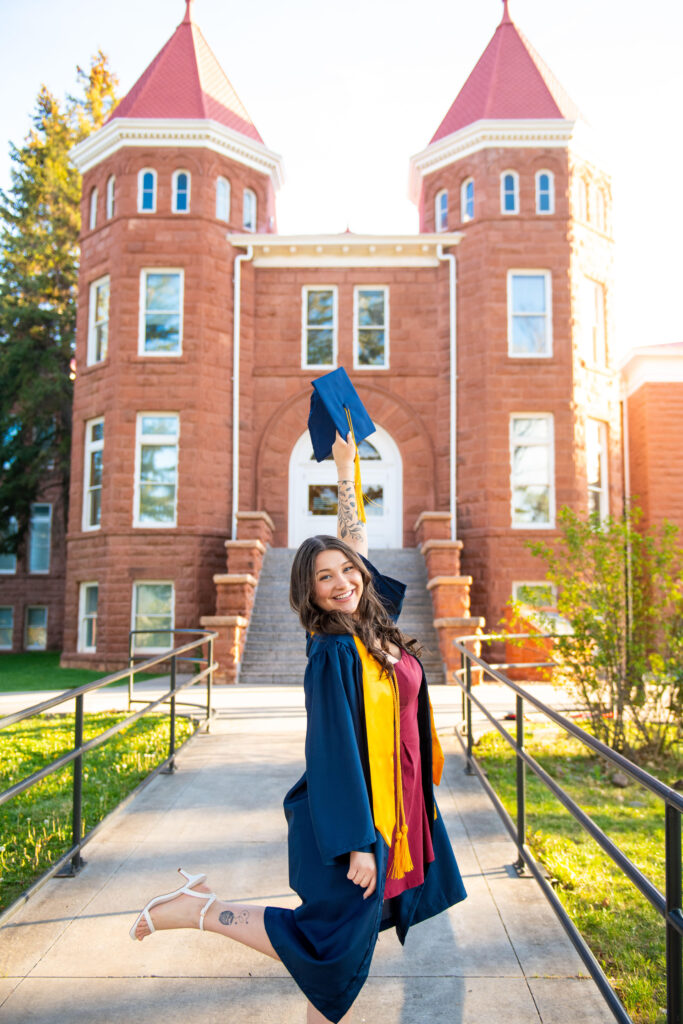
When Imaging “Magi” Brockman first connected with Quality Connections, she was looking for a way to complete her capstone as a psychology student at Northern Arizona University.
What she found was something harder to describe, but easy to recognize. A sense that she had landed in the right place.
It didn’t happen all at once.
Magi’s first experience was in QC’s preschool, where she was drawn to the organization’s inclusive approach. She had studied the stigma surrounding people with disabilities working with children and wanted to see a different model in action.
Eventually, she transitioned from the preschool to the Adult Day Program. That’s where things clicked.
“I remember thinking,” Magi says, “this is where I’m supposed to be.”
From there, her role began to grow in ways no capstone project could have predicted.
At QC, Magi found herself surrounded by people who challenged her assumptions in the best way. She began to notice not limitations, but creativity — individuals finding their own ways to navigate the world, adapt, and persist. It shifted her perspective, not just as a future professional, but as a person.
And instead of keeping that experience to herself, she started building bridges.
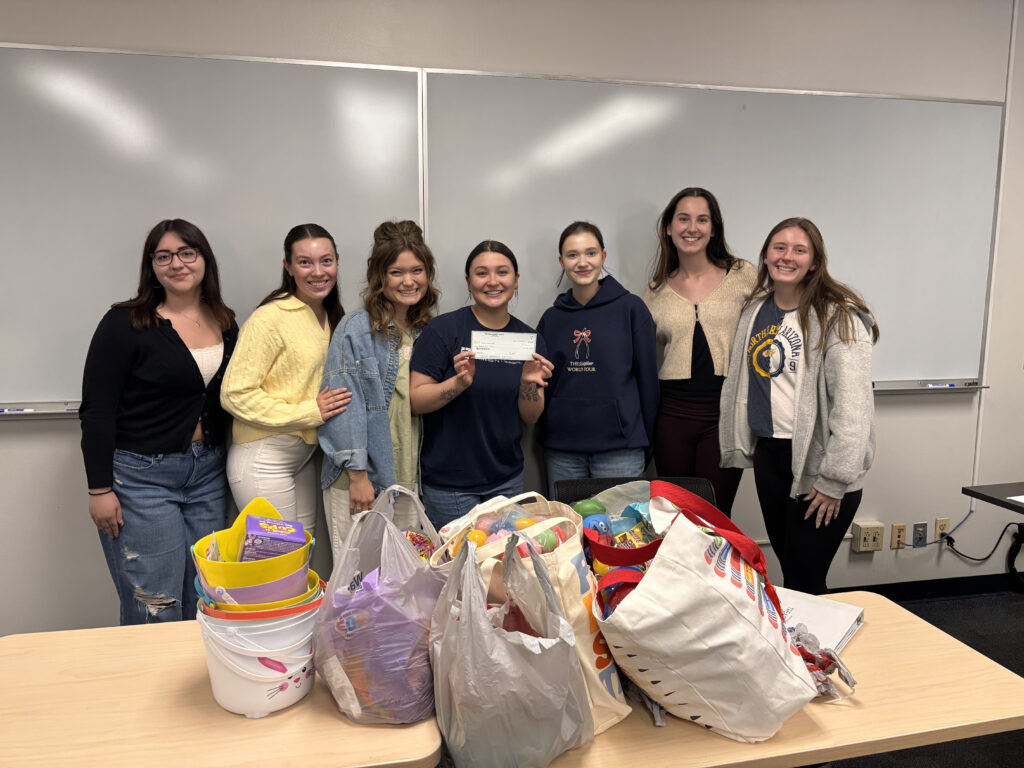
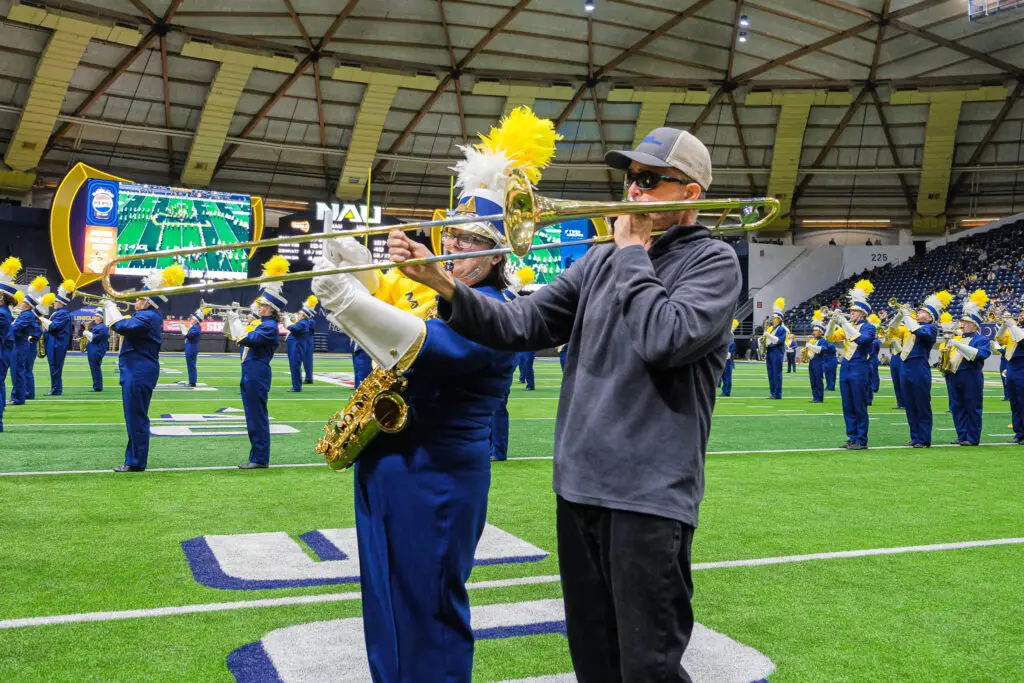
Drawing on her connections at NAU, Magi introduced the National Student Speech Language Hearing Association (NHSSLA), a group of future speech language therapists, dedicated to creating a more inclusive community, to Quality Connections.
What began as a simple introduction turned into something more. Students showed up. They volunteered. They gave their time, their energy, and their support in ways that made a real impact.
“It was really special to see that kind of support,” Magi says.
Magi also found ways to open doors in the other direction.
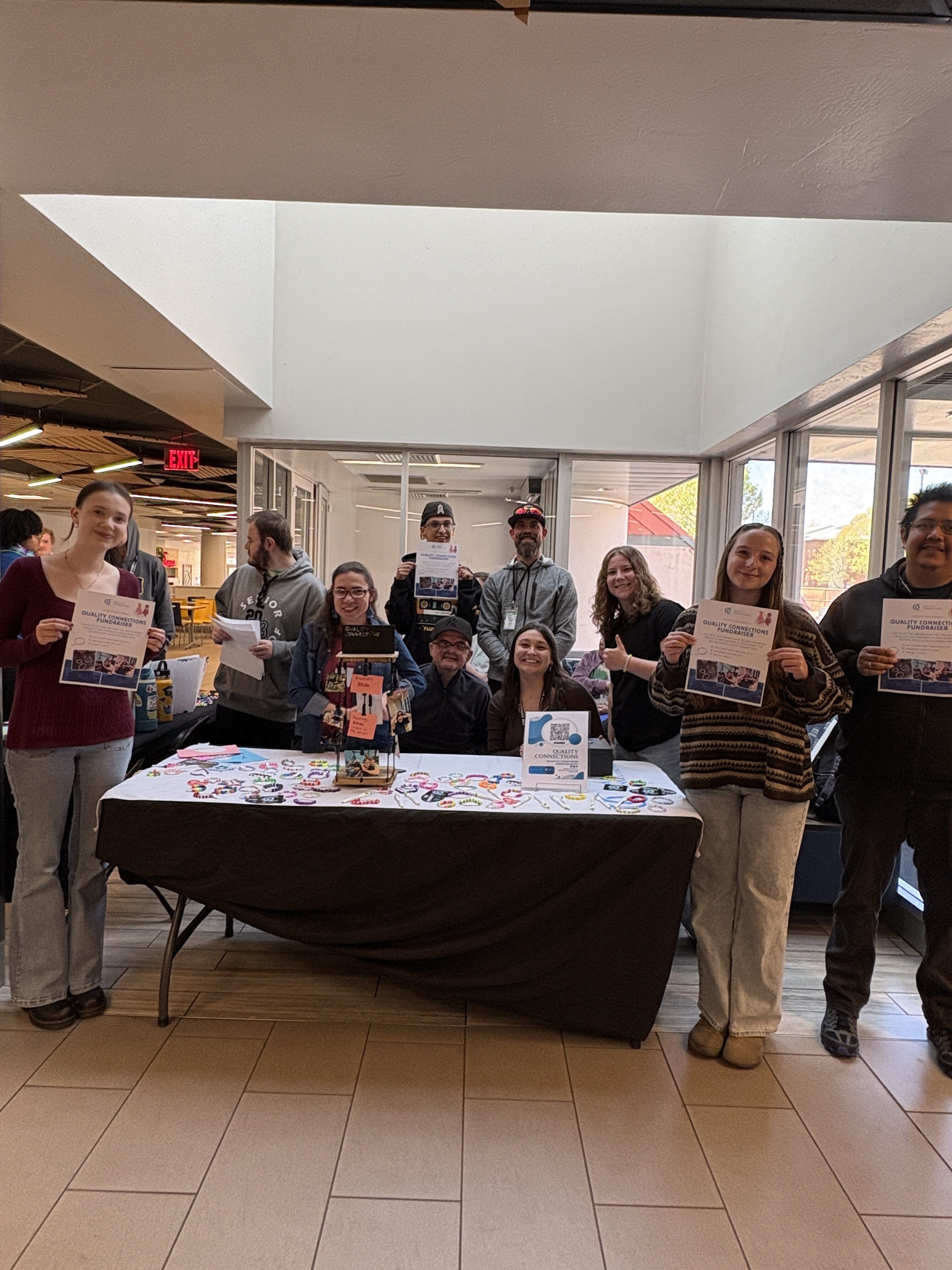
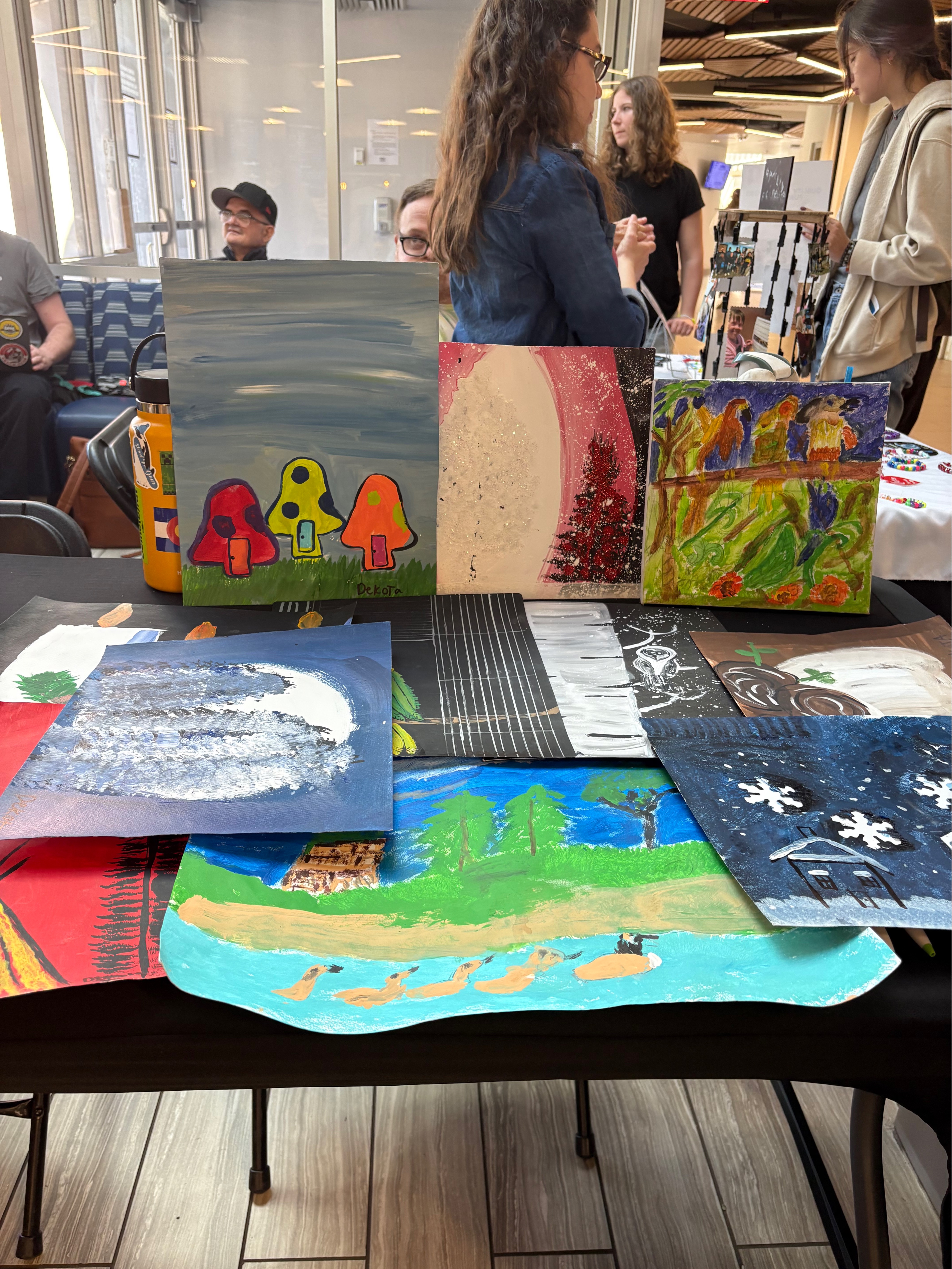
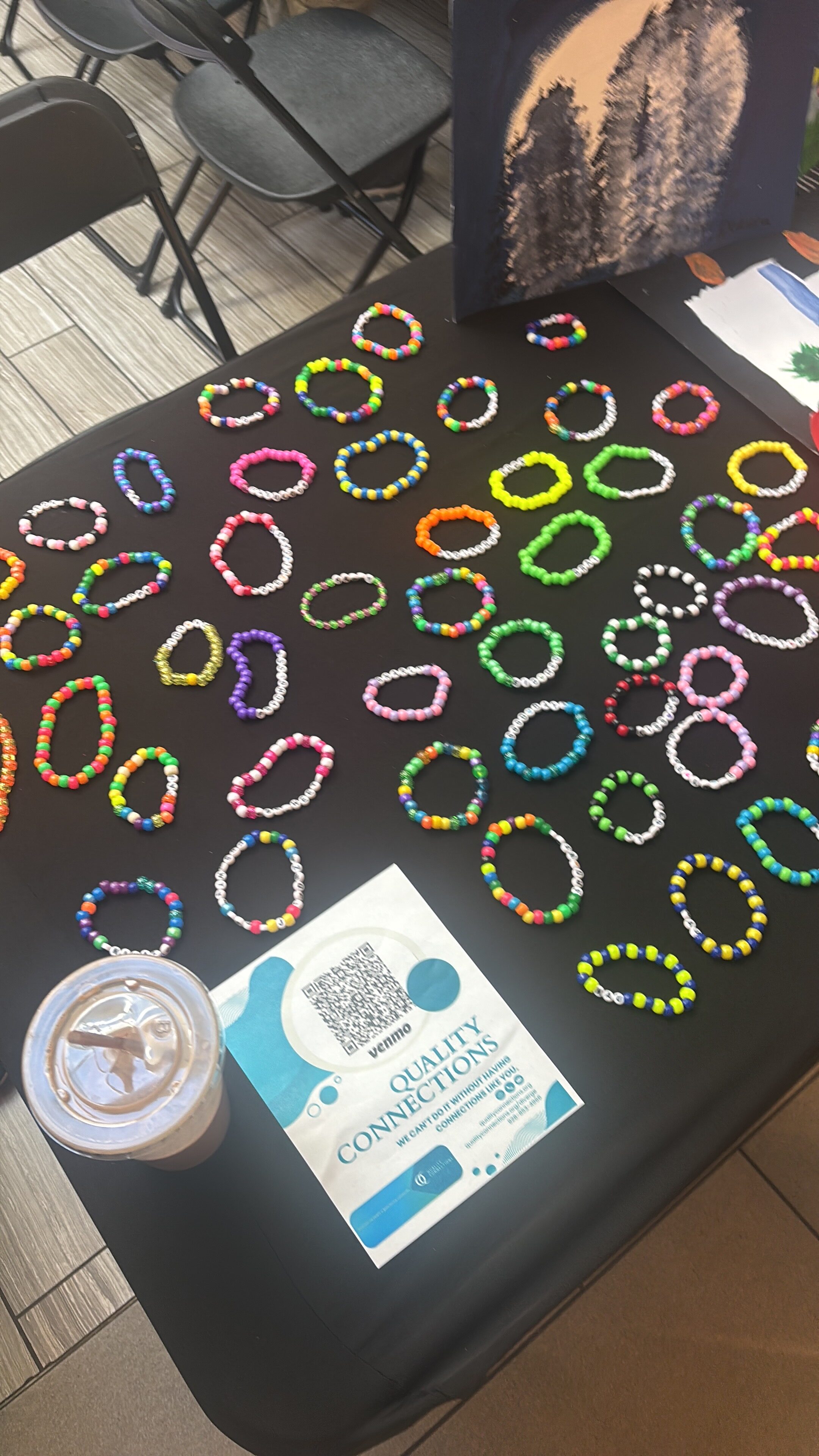
NHSSLA sponsored Quality Connections to secure a space at NAU’s student union where members had the opportunity to sell their hand-made bracelets and artwork as a fundraiser for the Day Program. The event raised $300 for future activities and the DTA’s everyday needs.
“It’s not just fundraising,” she explains.
“It’s people feeling proud of what they’ve created.”
Sometimes, the biggest impact is simply exposure.
Additionally, the Institute of Human Development is a research institute at NAU that focuses on advancing attitudes for people with disabilities and creating a more inclusive community. The institute graciously invited members of Quality Connections to attend a tour and presentation by their program, SCALE (Supporting College Access, Learning, and Employment), which strives to empower individuals with intellectual disabilities to participate and thrive in higher educational experiences.
After the visits to campus, QC members are seeing new possibilities for themselves.
“I’ve had members come up to me and say, ‘I want to go to college,’” Magi shares. “That exposure shows people what’s possible.”
And that’s where the impact of this work often lives, in those small but powerful changes in perspective.
For Magi, the experience has also been deeply personal. What started as an internship became a place where she felt supported, connected, and certain that she was part of something meaningful.
“I’m just really grateful for my time here,” she says. “It’s a place where you always know someone has your back.” Magi expresses gratitude to all of the staff at QC. “We work very closely, and in some jobs that could be really difficult to do, but not here. Everyone is always doing cool projects and helping each other out.”
At Quality Connections, opportunity doesn’t follow a single path. It shows up in different ways, for students, for staff, and for the individuals we serve.
Sometimes, it looks like a new connection.
Sometimes, it looks like a first step into the community.
And sometimes, it begins with a simple realization:
This is where I’m supposed to be.